

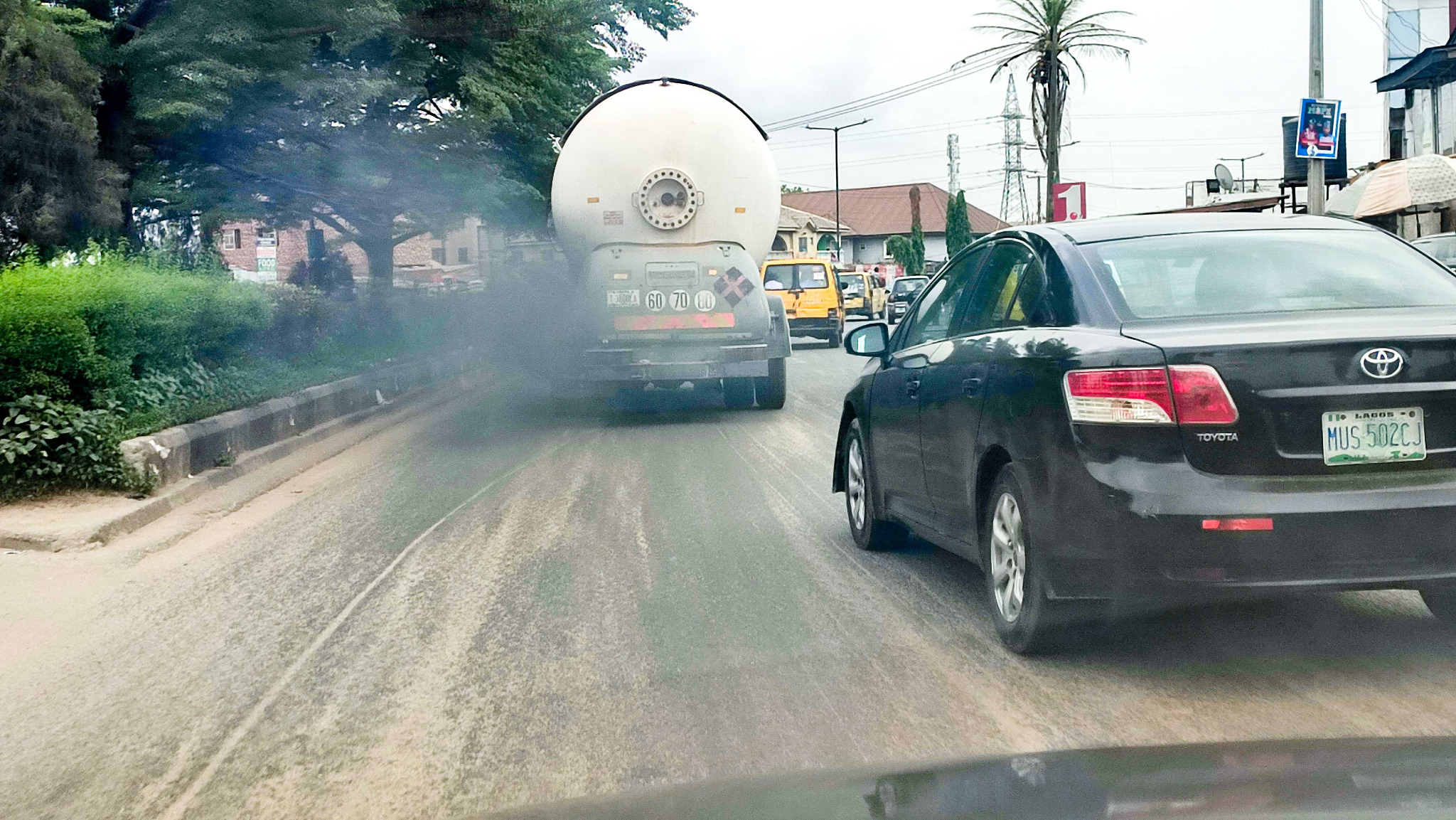
Burundi is facing a worsening Burundi vehicle emissions crisis as old trucks, mini-buses, and cars flood its roads. A recent study shows that the average age of heavy-duty vehicles imported into Uganda and Burundi is 37 years, far older than regional standards, with serious implications for air quality, road safety, and public health.
“Many of these trucks are ending their life elsewhere, but are starting a new life on our roads,” said Jane Akumu, program coordinator with the United Nations Environment Programme (UNEP) in Nairobi. She warns that such aging fleets are driving up pollution, traffic accidents, and health emergencies in urban centres.
Regional Comparison and Vehicle Standards
While neighbouring countries have strict regulations, Burundi lags behind. Kenya enforces an eight-year age limit for heavy-duty vehicles, and Tanzania imposes high taxes on trucks older than ten years. Rwanda has implemented strict emission standards and is considering age restrictions to improve road safety.
“In Kenya, the average age of heavy-duty vehicles is around four years. In Tanzania, they have a 10-year limit and punitive taxes on older vehicles,” Akumu explained. “Burundi, however, still struggles with outdated trucks and mini-buses on its roads, contributing heavily to emissions and accidents.”
Mini-Buses and Cars Driving Pollution
In Burundi’s capital and major cities, mini-buses, with an average age of 25 years, along with old passenger cars, are common on urban streets. These vehicles often lack modern emission control systems, releasing high levels of carbon dioxide, nitrogen oxides, and particulate matter. The result is a toxic environment that contributes to respiratory illnesses, strokes, and other health conditions.
Dr. Alex Ndyabakira notes that air pollution is becoming a leading health concern. “Old trucks and mini-buses are among the major culprits causing respiratory diseases and increasing road fatalities,” he said.
Government Efforts and Challenges
Eng. Immaculate Nyamaizi, Senior Inspector of Vehicles at Uganda’s Ministry of Works and Transport, acknowledged the seriousness of the issue in the region. She highlighted that vehicle age control measures are included in national transport policies, aiming to cut transport emissions by 2.8 megatonnes of carbon dioxide by 2030.
However, enforcement in Burundi remains weak, and experts fear the air quality crisis will worsen without stricter measures. Jennifer Kisakwe from the National Environment Management Authority (NEMA) emphasised that older cars and trucks not only pollute the air but are also more prone to causing accidents due to outdated safety features.
Health and Safety Risks
The aging vehicle fleet in Burundi directly impacts driver safety and public health. Vehicles over 30 years old often lack anti-lock brakes, modern lighting, and structural reinforcements, increasing the likelihood of road accidents. Combined with the poor condition of urban roads, these vehicles pose risks to drivers, passengers, and pedestrians alike.
Solutions for Cleaner Roads
Experts suggest several strategies to address Burundi vehicle emissions:
-
Enforcing vehicle age limits for imported trucks and cars
-
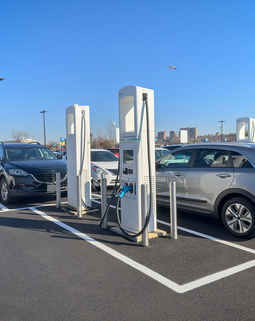
Expanding public transport options with electric buses and minibuses
-
Implementing dedicated lanes and bus corridors for safer, cleaner urban travel
-
Promoting regular vehicle inspections to ensure emissions compliance
Transitioning to cleaner transport can reduce both pollution and road accidents, while improving traffic flow in congested cities. Platforms like AfricaCarNews are highlighting innovations and policies across Africa to support safer, cleaner vehicle fleets.
The Road Ahead
Without urgent reform, Burundi risks worsening air pollution, rising health crises, and more traffic fatalities. Action is needed now to modernize vehicles, enforce emission standards, and protect both drivers and communities.
Do you think stricter age limits on trucks and cars would improve road safety and air quality in Burundi? Share your thoughts in the comments below!