

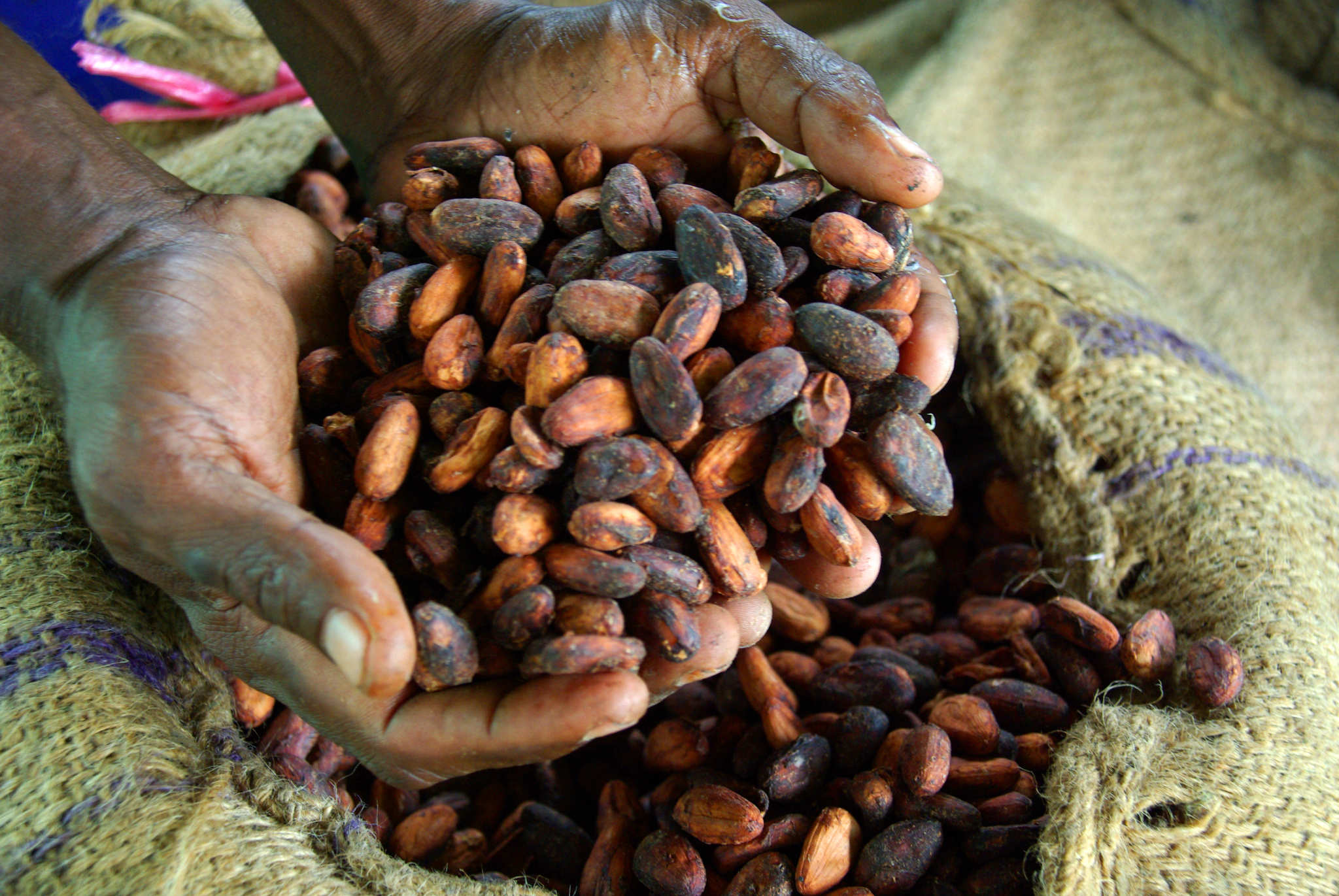
Burundi's coffee industry is the beating heart of its agricultural economy, supporting over 600,000 smallholder farming families. Despite the exceptionally high quality of their specialty Arabica beans, these rural producers constantly face massive logistical hurdles. Transporting freshly harvested coffee cherries down steep, rugged volcanic hillsides to local washing stations is an incredibly expensive and time-sensitive process. To effectively combat these long-standing challenges within Smallholder Coffee Logistics, the rapid rise of Burundi Ag-Tech Mobility is actively transforming the agricultural landscape, introducing rugged electric cargo vehicles to successfully conquer the notorious bottlenecks of Last-Mile Supply Chains.
The High Cost Of Traditional Coffee Transport
In rural Burundi, road infrastructure is often unpaved, deeply rutted, and highly treacherous during the rainy season. Historically, farmers have relied heavily on expensive diesel trucks, gas-guzzling motorcycles, or grueling manual labor to move their daily harvests. Because raw coffee cherries begin fermenting almost immediately after being picked from the branch, rapid transport is absolutely critical to maintaining the premium flavor profiles that international specialty buyers demand.
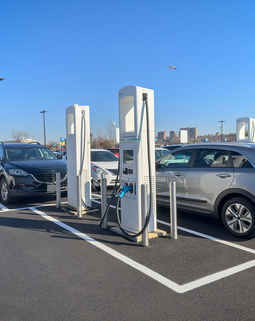
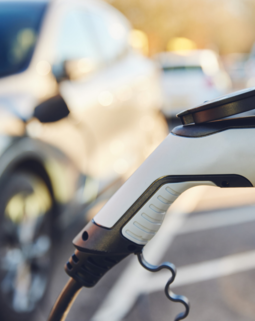
Relying on imported fossil fuels constantly eats into the already razor-thin profit margins of these hardworking smallholder producers. The strategic integration of Burundi Ag-Tech Mobility actively solves this critical supply chain bottleneck by directly replacing expensive, heavily polluting diesel transport with clean, hyper-efficient electric vehicles (EVs) explicitly designed for rigorous off-road conditions.
Pioneering Electric Cargo Solutions
The current wave of Burundi Ag-Tech Mobility focuses heavily on deploying advanced Electric Cargo Bikes and heavy-duty e-motorcycles. These specialized agricultural EVs possess massive low-end torque, allowing them to easily navigate muddy, severely degraded inclines while safely carrying heavy, hundred-kilogram sacks of coffee cherries. To completely eliminate range anxiety in deeply remote mountainous areas, many African EV Startups are actively introducing highly efficient battery-swapping networks. Instead of waiting hours for a standard plug-in recharge, a rural driver can instantly swap a depleted battery for a fully charged one in under two minutes at a localized washing station kiosk.
By proactively utilizing Burundi Ag-Tech Mobility, local farming cooperatives can significantly lower their daily operational and maintenance costs. Charging these electric vehicles is frequently decentralized, with rural processing stations installing their own dedicated solar micro-grids. This brilliant environmental synergy means the vehicles transporting the coffee are powered entirely by the exact same abundant equatorial sunshine used to naturally dry the coffee beans.
Boosting Smallholder Incomes And Sustainability
The financial impact of Burundi Ag-Tech Mobility on local farmers is incredibly profound. With daily transport costs drastically reduced, agricultural cooperatives can legally return a much higher percentage of the final export price directly back to the smallholders. Furthermore, this clean-energy transition actively ensures that the nation's coffee production heavily aligns with strict new international sustainability regulations, such as the European Union’s deforestation-free and low-emission supply chain mandates.
Integrating Smart Data With EV Fleets
For fleet operators, agricultural investors, and green tech enthusiasts wanting to continuously track the latest shifts in African electric transport, smart farming innovations, and clean logistics, exploring the expert daily insights at AfriCarNews is highly recommended.
Ultimately, the aggressive, successful expansion of Burundi Ag-Tech Mobility actively guarantees that the future of the nation's most vital agricultural export will be strictly driven by clean, renewable energy. By electrifying the hardest miles of the journey, this movement provides a highly replicable blueprint for Sustainable Agriculture Burundi and the entire continent.
Do you think electric cargo bikes will completely replace diesel motorcycles in rural African farming? How else can renewable energy directly empower smallholder coffee producers? Share your thoughts, questions, and green agriculture ideas in the comments below!