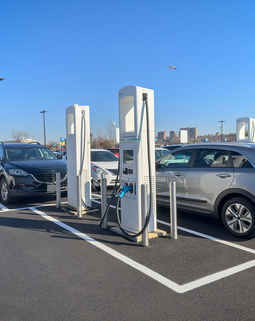


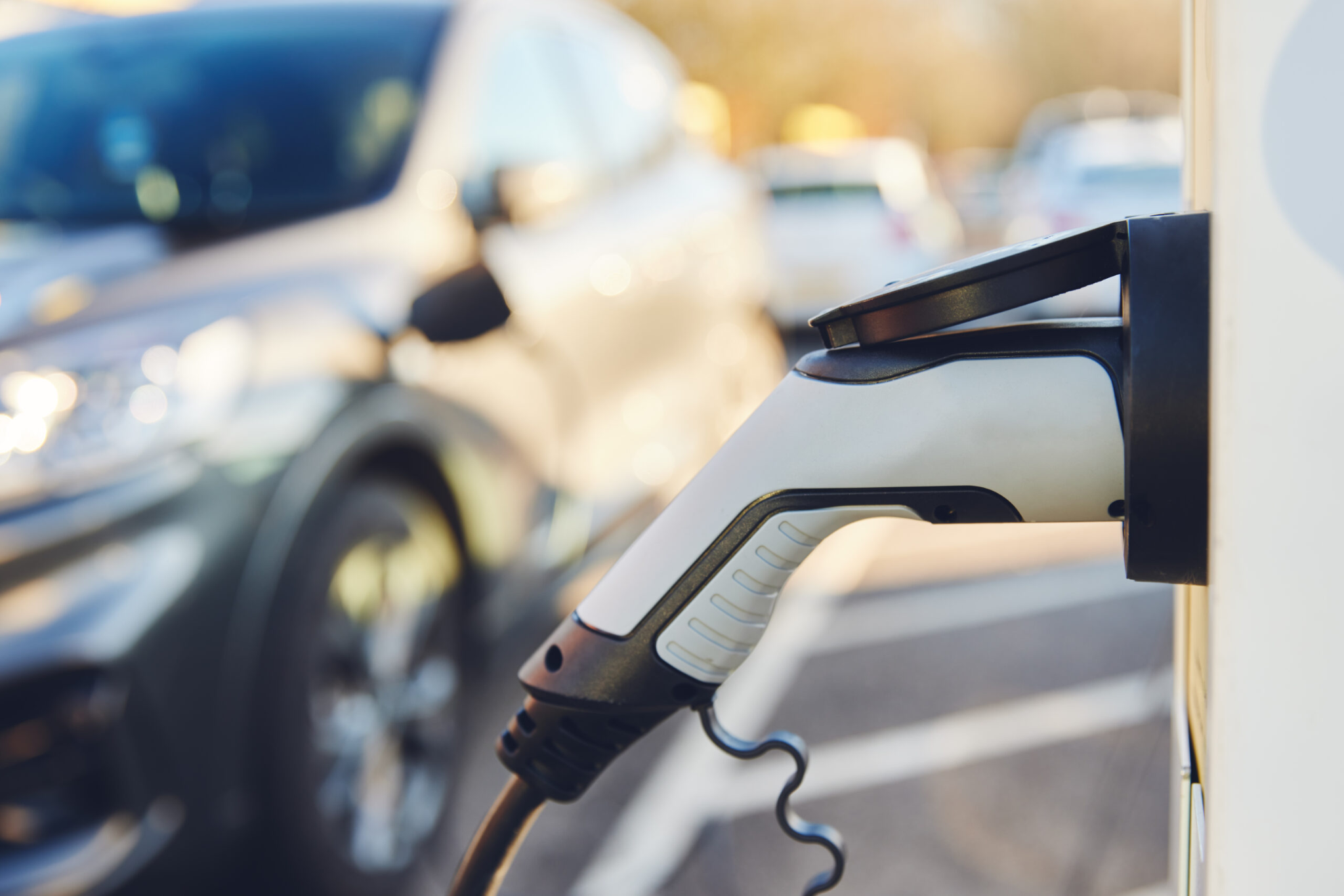
Burundi is making a bold leap toward clean transportation with the country’s first 100% solar-powered electric vehicle charging station. Announced during the recent Open Day on Electric Mobility under the theme “Accelerating Electric Mobility in Burundi,” this milestone signals a major step forward in reducing Burundi vehicle emissions while supporting cleaner, safer cars on the roads.
With aging trucks, mini-buses, and passenger cars dominating urban streets, this initiative offers a practical solution to encourage the adoption of modern electric vehicles and curb the high levels of air pollution caused by outdated vehicles.
Solar-Powered EV Station: A Game Changer for Cars
The station, developed by GEM E-mobility, a subsidiary of Growth Energy, is fully solar-powered and features built-in energy storage, allowing electric vehicles (EVs) to charge independently of Burundi’s unreliable national grid.
Key Features for Electric Cars
-
Fully solar-powered: EVs can charge even during frequent electricity shortages.
-
Energy storage: Maintains operation day and night, supporting continuous vehicle charging.
-
Environmental impact: Helps reduce CO₂ emissions and promotes cleaner urban air.
Evrard Havyarimana, CEO of GEM E-mobility, emphasized the importance of resilience: “This station will remain operational even during power outages. With built-in storage, it can operate throughout the night, ensuring EV users have reliable access to charging.”
Supporting Car Adoption in Urban Areas
By providing a reliable, solar-powered charging solution, Burundi aims to encourage car owners to consider electric alternatives, particularly for mini-buses and passenger cars that currently contribute heavily to urban air pollution. Early adoption of EVs will help reduce emissions, improve public health, and ease traffic-related safety risks.
Burundi Vehicle Emissions and the Case for EVs
A regional study revealed that the average age of heavy-duty vehicles entering Burundi is 37 years, far older than those in Kenya, Tanzania, and Rwanda. Older trucks and cars are a major source of Burundi vehicle emissions, contributing to smog, respiratory illness, and road safety hazards.
Mini-buses, with an average age of 25 years, remain prominent in cities like Bujumbura, releasing high levels of nitrogen oxides and particulate matter. These aging vehicles lack modern emission controls, making EV adoption critical for improving air quality and public health.
Policy and Infrastructure Needs
While Burundi lags behind regional neighbors in enforcing vehicle age limits or emission standards, solar-powered EV infrastructure like this charging station lays the groundwork for a cleaner future. Expanding public EV charging, implementing incentives for electric cars, and improving road safety measures are all key to sustainable mobility.
Partnerships Driving Change
This milestone was made possible with collaboration from:
-
The Ministry of Commerce and Transport of Burundi, supports sustainable mobility initiatives
-
Skyline, an electric vehicle sales pioneer helping promote EV adoption
Platforms like AfricaCarNews continue to showcase innovative approaches to improving car safety, emissions control, and clean transport in Burundi and across Africa.
The Road Ahead for Burundi Cars
The launch of this solar-powered charging station marks a new era for Burundi electric mobility. By combining clean energy with modern EV adoption, the country takes a bold step toward reducing emissions, improving urban air quality, and creating a safer, more sustainable transport system.
Will solar-powered charging encourage you to switch to an electric car in Burundi? Share your thoughts and experiences in the comments below!